
Sustainability
Our Sustainability Approach
Since 1993, FILIPPA K has had a mission to drive a movement of mindful consumption: creating wardrobe staples designed to last, and encouraging our community to buy fewer but better pieces to wear and love for years.
Since 1993, FILIPPA K has had a mission to drive a movement of mindful consumption: creating wardrobe staples designed to last, and encouraging our community to buy fewer but better pieces to wear and love for years.
Five sustainability pillars guide us as we work towards caring for our planet, and the people in our community.
Collaborating with like-minded partners and exploring innovative solutions, we know that we can’t do this alone and the work is never truly done.
Traceability & Transparency
We’re committed to tracing each garment back to its origin, and to sharing this journey transparently with our community.
Traceability & Transparency
We’re committed to tracing each garment back to its origin, and to sharing this journey transparently with our community.
Traceability and transparency are the foundation of everything we do at FILIPPA K.
The more we know about the full journey of our products, the more we can work on improving our environmental and social impact.
Social Responsibility
The people behind our products matter. We’re proud of our supply chain partners, and strive to foster healthy working conditions and long-term relationships.
Social Responsibility
The people behind our products matter. We’re proud of our supply chain partners, and strive to foster healthy working conditions and long-term relationships.
At FILIPPA K, it’s our responsibility to ensure the people within our supply chain are treated well.
We work towards fostering equal and long-term relationships with our suppliers, and aim to maintain regular contact and support to ensure healthy working conditions and wages.
Our average supplier relationship is 7 years, with some partnerships as long as 20+ years.
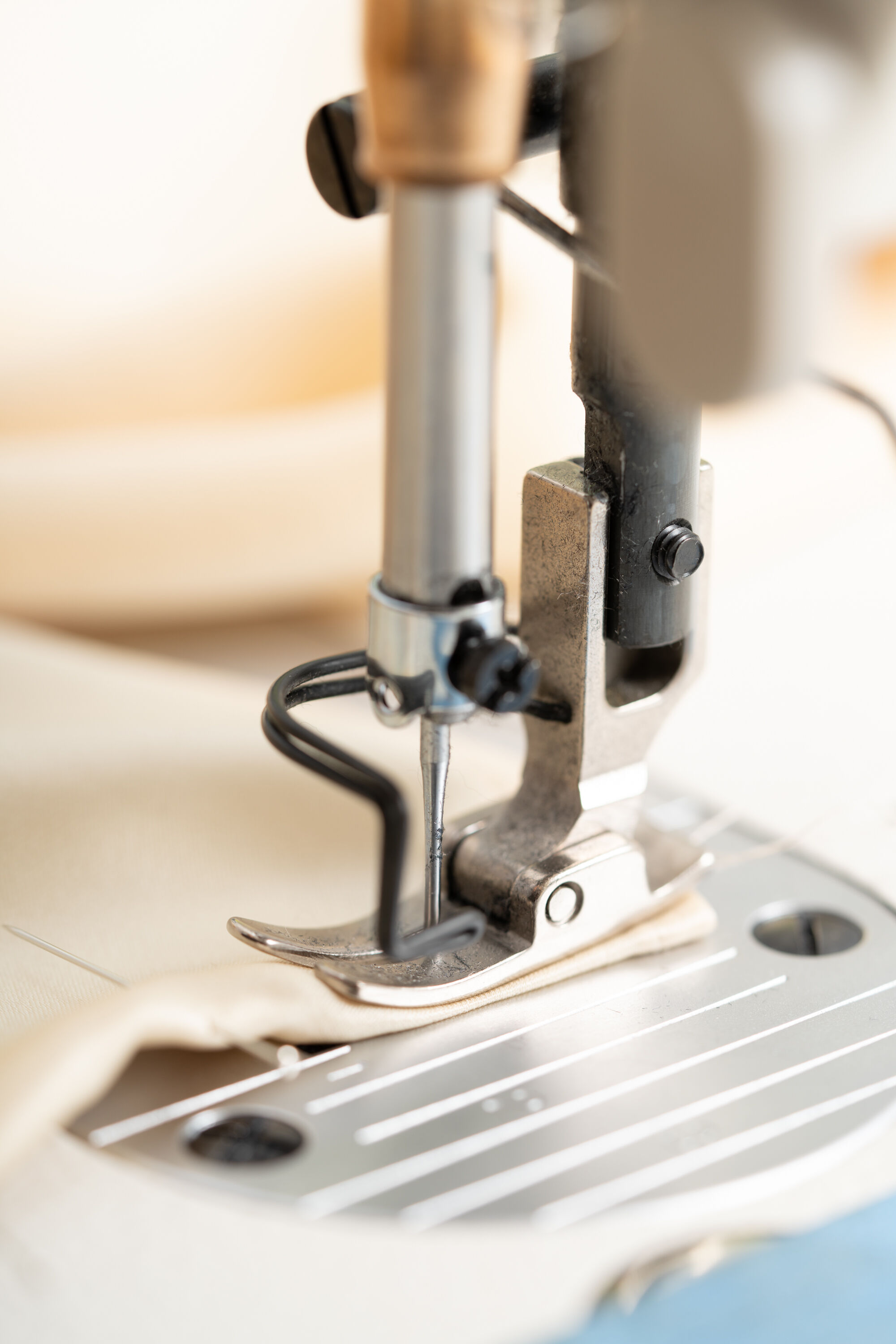
Out Social Responsibility Goals
Here’s what we’re working towards for 2025:
We aim to enhance our supply chain relationships and increase leverage by continuing to consolidate our supplier base.
Current progress for 2024:
- We consolidated our total number of factories by 10 from 2023, allowing us to focus on higher leverage within our existing supplier relationships.*
*Read about our Responsible Exit Policy in the 2024 Sustainability Report.
Labouring Standards
You can only stand up for and protect your rights if you’re aware of them, therefore education for our suppliers is key to us improving labour rights.
Human rights due diligence
We’re actively reviewing and assessing all of our policies and processes regarding human rights, preparing for the upcoming European human rights due diligence directive (HRDD). We’ve created a risk assessment which includes both countries and factories, where human rights risks regarding code of labour practices are assessed in all sourcing countries. We are working towards increasing the risk assessment process across the whole supply chain.
Human rights pillars:
Protect
We protect human rights in our supply chains through communication, risk assessment and regular audits.
Respect
We respect human rights throughout our supply chain by fostering equal and long-term partnerships and supplier contracts.
Remediate
We proactively resolve issues that arise within our supply chains and support our partners in remediation.
Fair Wear Foundation
FILIPPA K is a member of Fair Wear: a foundation that works with brands and industry influencers to support garment workers in realising their rights to safe, dignified, properly paid employment.
Fair Wear supports FILIPPA K by performing factory audits and annual performance check-ups as well as developing reports and action plans. Since 2008 we’ve worked with them to secure good labour standards in our supply chains, and to continue maintaining high compliance with the FILIPPA K Code of Conduct and international regulations.
These are the eight elements of labour practices upheld by the Fair Wear Foundation, based on labour standards by ILO (International Labour Organisation):
Employment is freely chosen
No use of forced labour in the supply chain, including bonded or prison.
Freedom of association and the right to collective bargaining
All employees have the right to form and join trade unions, which will not be subjected to discrimination. Collective bargaining will be recognised and respected.
No discrimination in employment
Recruitment, wage policy, admittance to training programs, employee promotion and termination policies, retirement, and any other aspect of the employment relationship will be based on the principle of equal opportunities. This is regardless of race, nationality, sex, gender, religion, political affiliation, union membership, social origin, deficiencies or handicaps.
No exploitation of child labour
There will be no use of child labour in the supply chain.
Payment of a living wage
Wages and benefits paid for a standard working week will meet, at the least, the legal or industry minimum standards to ensure it covers basic needs and provides some discretionary income. Employees will be clearly informed about their wages, including rates and payment periods.
Reasonable hours of work
Hours of work will comply with the applicable laws and industry standards, not regularly exceeding 48 hours per week. Employees will have at least one day off per week. Overtime will be voluntary, not occurring regularly, and will always be compensated at a premium rate.
Safe and healthy working conditions
A safe and hygienic working environment will be provided, following industry best practices to address specific hazards and implement effective regulations that prevent accidents and minimize health risks. Any form of abuse, threat or harassment by the employer is strictly prohibited.
A legally binding employment relationship
Employers will meet the requirements set under labour or social security laws, and the regulations relating to the regular employment relationship. Younger workers will be given the opportunity to participate in education and training programmes.